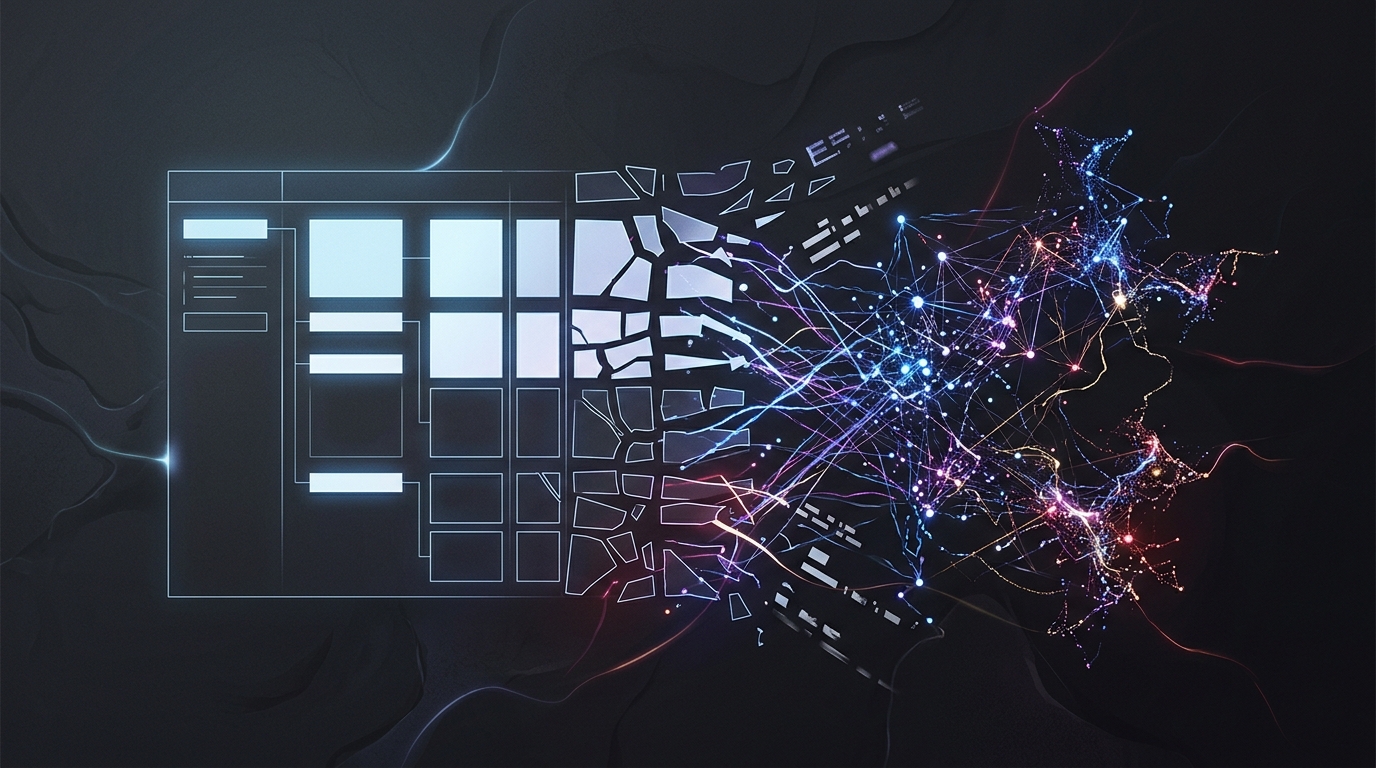
Structured diversity and human feedback works for exploration. For production, you need outlier detection and automated correction heads. We learned this the hard way.
Early on in development, we shipped a beautiful grid interface that allowed users to select variations of an AI-generated output. It felt highly interactive and gave a strong illusion of control. We thought it was the core product.
We were wrong. When users are generating content for production, they don't want to browse a gallery of "almost right" options. They want one perfect output. The grid UI was forcing the user to act as the final loss function, manually sorting through the noise. While this is great for teaching a model what a user prefers during an onboarding phase, it's a terrible UX for a high-volume professional tool.
Automating the Loss Function
We had to pivot our entire backend. Instead of serving a grid of variations, we implemented automated correction heads—smaller, specialized neural networks that evaluate the base model's output and correct it before the user ever sees it. We built outlier detection to automatically reject hallucinatory frames in our video matting pipeline.
The grid UI is still there, but it's now hidden under an "Explore" tab. The main product just works, first time, every time. Don't mistake a high-friction exploration interface for a complete product experience.